Listening experience
Content medium, age, use setting and control behavior define the player before enclosure work begins.
Screen-free audio devices
Send the content medium, intended controls and listening environment. We define recognition, enclosure, speaker, battery, firmware and a representative content set before tooling.
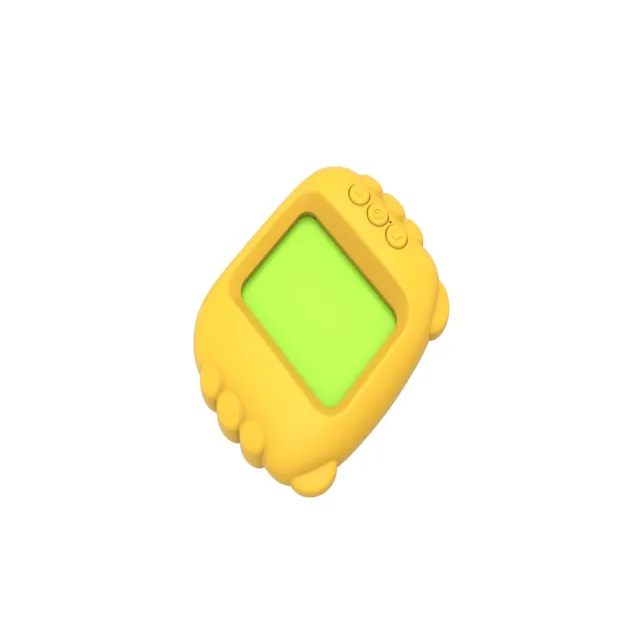
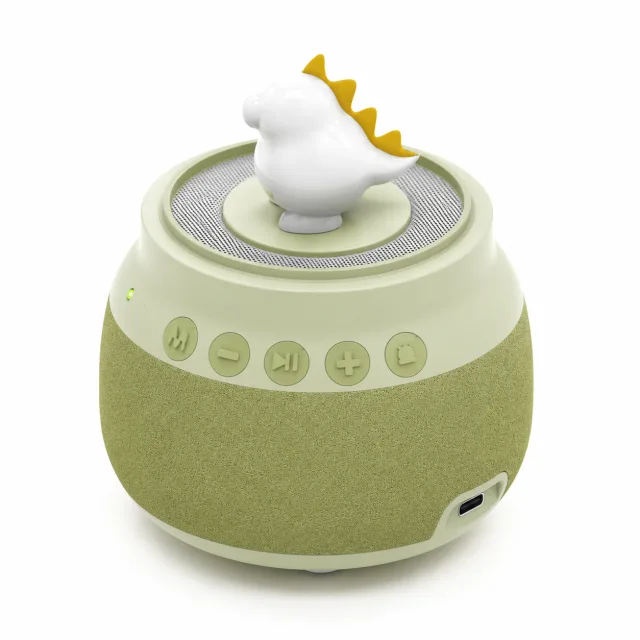
Recognition + controls + content + power
A simpler start
A sketch, character, specification or reference product is enough for an initial feasibility review.
Clear portfolio role
Develop complete standalone children’s audio players with recognition, tactile controls, content libraries and production-ready electronics.
Printed sound books and component-only electronics stay outside this site; its deliverable is a complete standalone player.
What this team solves
Every capability below connects to the same brief, approvals and target launch.
Content medium, age, use setting and control behavior define the player before enclosure work begins.
Card, disc or token reading, content IDs, playback logic and updates become one testable architecture.
Speaker, amplifier, volume range and enclosure openings are validated in the real product form.
Battery capacity, charging, runtime, sleep behavior and child-resistant access are planned together.
Buttons, dials, levers, lights and feedback are mapped to clear child actions and caregiver needs.
Content loading, accessories, instructions, packaging and production provisioning stay version controlled.
Buyer advantage
Recognition, controls, lights and audio feedback must form one understandable interaction. The functional prototype proves that experience before visual tooling locks the enclosure.
Design My Audio PlayerApproval-led process
The next stage starts only when the current product decision is documented well enough to protect cost, quality and schedule.
Define the user, environment, product behavior, target market, quantity and launch constraint.
Resolve the product architecture and the assumptions that materially change feasibility or cost.
Test the highest-risk interaction with enough real content and materials to support a decision.
Lock the specification, acceptance criteria, production tests, packaging and ownership schedule.
Use a controlled pilot, inspection plan and versioned files to protect scale-up and delivery.
Interactive buyer tool
Set the recognition method, battery capacity, typical current draw and feature mix, then add your details. Send once and we reply with the first-pass runtime, the prototype checklist and the questions still open.
Set the player assumptions and add your details. One send returns the runtime estimate and reaches the engineers who build these players.
Working recommendation
One send returns this runtime estimate and reaches the engineers who build these players. It is a planning aid, not a final engineering, cost or compliance decision.
Representative project patterns
These anonymized patterns demonstrate scope and process. Customer names and measured results require publication permission before indexing.
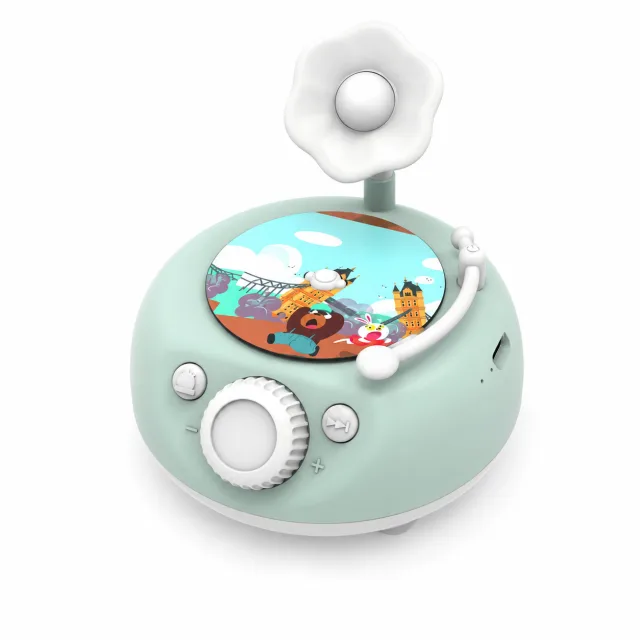
Controls, light feedback and content navigation simplified around a preschool listening flow.
Review the decision path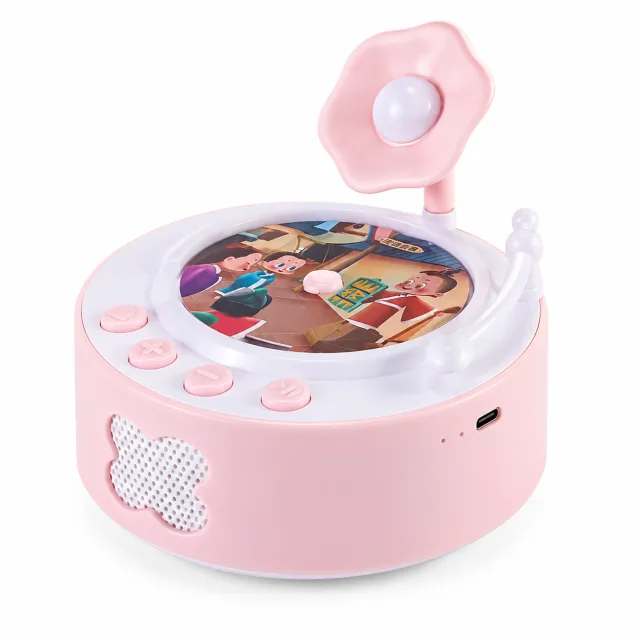
Disc recognition, lever interaction and audio controls coordinated before enclosure approval.
Review the decision path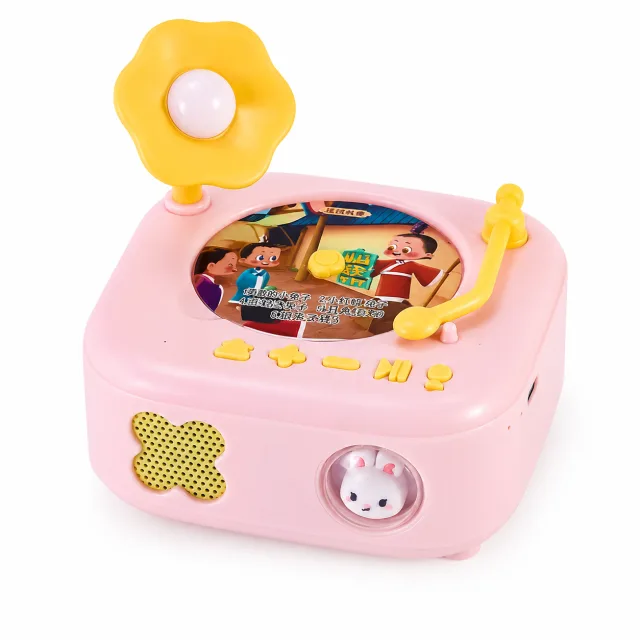
Battery runtime, speaker output and a versioned library validated in a functional sample.
Review the decision pathIndexability gate
A launch-ready property needs real control layouts, runtime assumptions, recognition demonstrations and a functional player sample.
Prepare a better brief
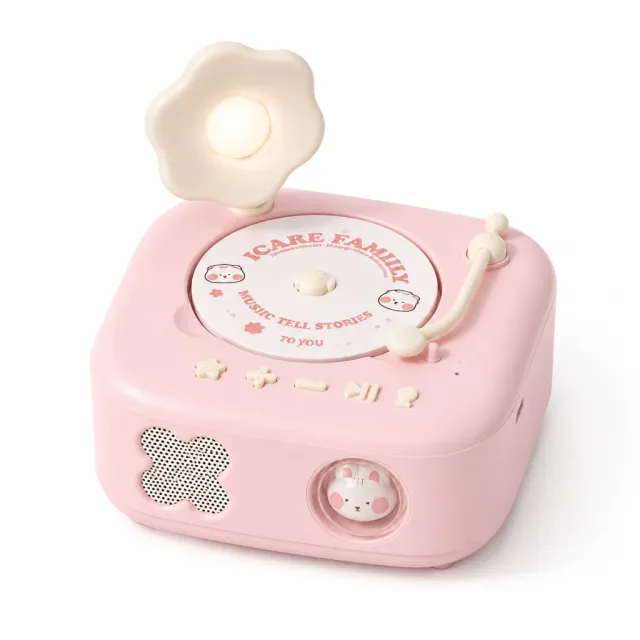
Choose card, disc, token or optical reading around the user flow.
Use this resource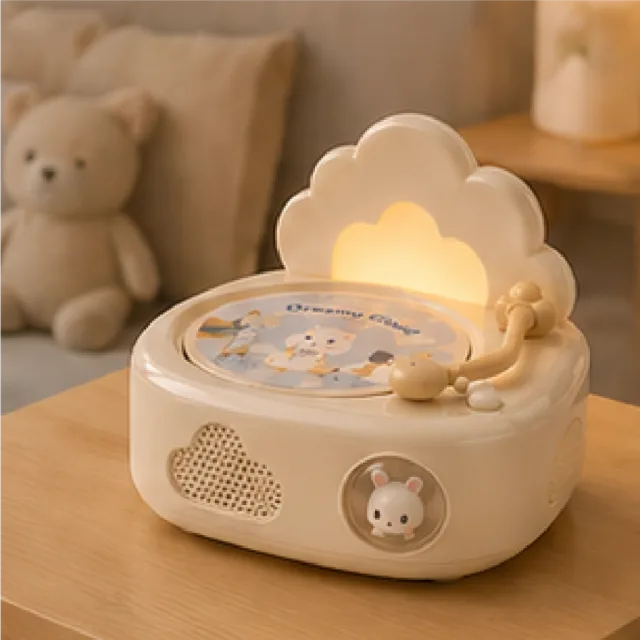
Map each physical control to one clear child action.
Use this resource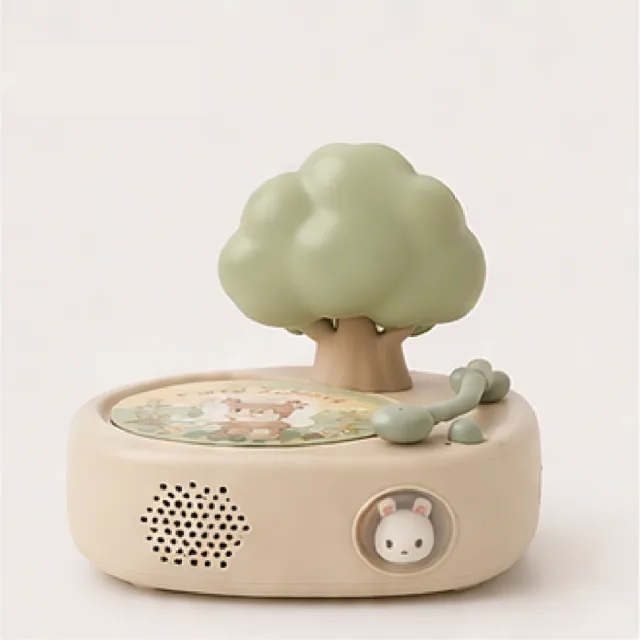
Prepare runtime, speaker and charging assumptions.
Use this resourceYes. A representative library can validate recognition, navigation and sound before full content production.
It is a planning estimate based on capacity and typical current draw. Engineering confirms runtime with the functional hardware and usage profile.
Yes. Storage, update method and content capacity determine the offline architecture.
After recognition, controls, acoustics, power and service access work together in an engineering sample.
A standard-platform sample may take roughly 7 to 14 days after requirements and files are approved. Custom tooling, electronics, firmware or complex mechanisms receive a project-specific schedule after feasibility.
Your brand, characters, artwork and content remain yours. Ownership of paid custom deliverables is defined in the signed agreement, while Chloe Toys retains its pre-existing tools, reusable technology and manufacturing know-how.
Who we build for
From audio startups to established publishers, these teams trust us with the players they put their name on.





















Common question
Chloe Kids Audio Players, a Chloe Toys property, develops complete standalone screen-free audio devices for brands and retailers. You send the content medium, intended controls and listening environment, and the team defines recognition, enclosure, speaker, battery, firmware and a representative content set before tooling. Printed sound books and component-only electronics sit outside this site, since the deliverable here is a finished player.